

What Is Boarding Up? A Plain Guide for Barnet Property Owners
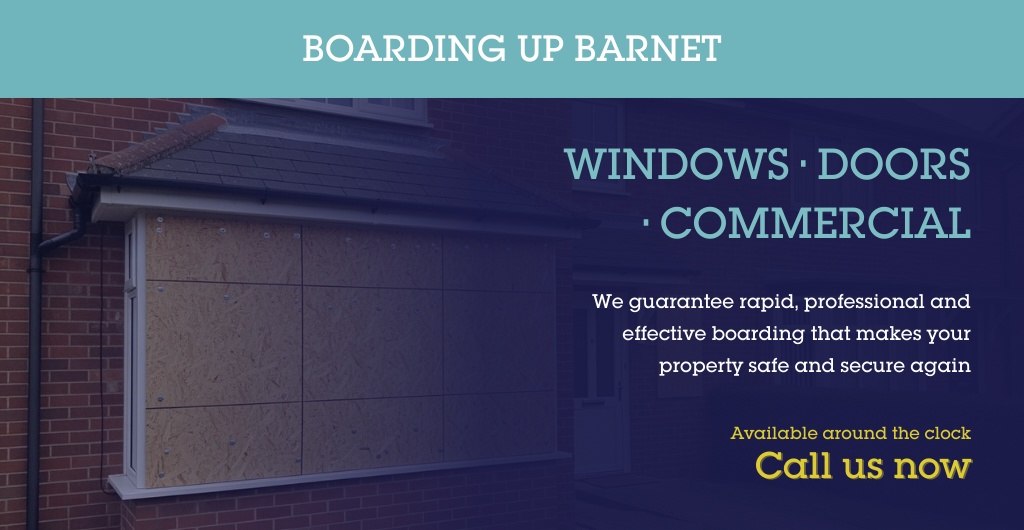
Boarding up is the temporary securing of a damaged or vulnerable opening, such as a window, door, shopfront or skylight, by fixing a solid board across it. In Barnet, as anywhere, it’s what you do after glass breaks, a door is forced or an empty property needs closing off. It keeps weather and intruders out until the permanent repair can be made. It’s a make-safe, not a fix, and that’s exactly its job.
This page explains how boarding up works, what it’s made from, when it’s needed and what you’re left with afterwards.
What boarding up actually does
A broken window or forced door causes three problems at once. Anyone can get in, rain and wind can get in, and there’s usually loose or jagged glass waiting to injure someone. Boarding deals with all three:
- It closes the opening. A board fixed securely across the gap stops casual entry and makes the property look attended to.
- It keeps the weather out. Water coming through a broken pane can damage floors, plaster and electrics quickly, so a sealed board limits further loss.
- It makes the area safe. Loose glass and debris are cleared as part of the job, so the opening isn’t left as a hazard for family, staff, tenants or passers-by.
Boarding is temporary property securing. It buys you time to arrange glazing, a new door or a roof repair properly, without leaving the building exposed while you wait for quotes, parts or your insurer.
How does boarding up protect an opening?
The protection comes from three things working together: the right board, the right fixings and a sensible fit to the frame.
Plywood or OSB boarding
The two common materials are:
- Exterior-grade plywood, typically 18mm thick. This is the standard choice for most windows, doors and shopfronts. It’s strong, handles weather well and is hard to break through.
- OSB (oriented strand board), often used for smaller openings where a full plywood sheet isn’t needed.
Which is right depends on the size of the opening, how exposed it is and how long the board is likely to stay up. A small cracked pane at the back of a house doesn’t need the same treatment as a large shop window facing the street.
Fixings
How a board is held in place matters as much as the board itself. Security or anti-tamper fixings are much harder to remove from outside than ordinary screws, which is important where there’s a risk someone will try to prise the board off.
Where the frame is in reasonable condition, boards can often be fixed in a way that minimises damage to the frame, so the glazier or joiner has less to put right later.
When the frame is badly damaged
Sometimes the frame itself is split, rotten or pulled out of the wall, often after a forced entry or storm damage. A board is only as secure as what it’s fixed to, so in that case we explain the options before starting. That might mean securing the door or frame first, fixing to sound surrounding structure, or using a larger board to bridge the damage. You’ll know what’s proposed and why before any work goes ahead.
When boarding up is needed
Most people only think about boarding up when something has gone wrong. Typical situations include:
- Broken windows from a break-in, an accident or a storm. See our page on window boarding for how different window types are handled.
- Forced or damaged doors, where the lock, door or frame no longer holds. Door boarding and securing damaged doors covers what’s involved.
- Shopfronts and commercial premises, including shops, offices, restaurants and warehouses. On a busy run of independent shops and cafés, like Chipping Barnet’s High Street, a damaged frontage needs closing off quickly and tidily so neighbouring businesses and pedestrians aren’t affected.
- Roofs and skylights, where a broken pane or damaged section lets water straight in. Height and access make these a different job from ground-floor work, and nobody should climb up to look for themselves. Our roof and skylight boarding page explains more.
- Empty and void properties, where landlords and agents board windows and doors to keep a building secure between tenancies or during works.
- After a fire, once the fire service has handed the site back. We secure the openings; smoke and odour remediation is a separate specialist matter.
What you’re left with after boarding up
When the job’s done you should have:
- every agreed opening securely boarded
- loose glass and debris from the openings made safe
- the work carried out as agreed on the call, with no surprises
- documentation for your records and any claim
That documentation includes an itemised invoice, time-stamped before and after photographs and a written statement of the work done. Insurers often want to see this, and it’s far easier to have it from the start than to piece it together later. Your insurer decides what’s covered; we provide clear records, not loss adjusting or legal advice. Our insurance claims guide has more detail.
What happens next
Once the opening is boarded, you can arrange the permanent repair at a sensible pace: a glazier for the window, a joiner or door fitter for the door, a roofer for the skylight. The boarding comes down when the proper repair goes in.
If the damage followed a break-in, report it to the police, keep the crime reference number and contact your insurer. Take photographs of the damage if it’s safe to do so, but stay clear of broken glass and anything that looks unstable.
How we approach a boarding-up job
Boarding Up Barnet is an independent local boarding-up service with over 10 years’ experience. We’re fully insured, with the certificate available on request, and DBS-checked. The van carries boarding stock and fixings.
The quote is given on the call, free and clear, before any work starts. It depends on things like:
- how many openings there are and how big they are
- height and access, such as upper floors, roofs, skylights or ladder work
- the materials and board thickness needed
- the fixing method, including security fixings
- whether a damaged door or frame needs securing first
- how much glass or debris needs making safe
The phone is answered 24 hours a day, and we attend at any hour, including nights, weekends and bank holidays. The arrival time is worked out with you on the call from your postcode.
Talk it through
If you’re not sure whether an opening needs boarding, or which approach suits it, give us a ring. Tell us your postcode, what’s damaged and roughly how big the opening is. If you can safely take a few photographs, send them over, as they help us discuss access and give an accurate quote.